I get this question at least once a month. Someone's 20 or 30 hours into their PPL training, they're watching their rental bills stack up, and they start doing math on their phone at 11pm. "What if I just... bought a plane?" Sometimes the math looks good. Sometimes it doesn't. The honest answer, like most things in aviation, is: it depends — and the hidden costs matter more than the purchase price.
The Case for Buying
Let's start with why the math can actually work, because it's not crazy.
If you're going to fly 100 or more hours over the next two to three years — between your PPL, instrument rating, and general time building — ownership starts to pencil out. The rental rate at most Colorado flight schools for a basic 172 is running $160 to $200 per hour wet right now. At 150 hours, that's $24,000 to $30,000 in rental fees, none of which you ever see again.
Schedule flexibility is real. When I rented, I'd sometimes show up to find the aircraft squawked, or someone ran over their time, or the school had it tied up for a discovery flight. With your own plane, you call it when you fly. That adds up to more frequent flying, and frequency is the single biggest predictor of training efficiency. Students who fly three times a week progress dramatically faster than those who fly once.
Familiarity with one aircraft is underrated. You stop spending mental energy adapting to the quirks of a different C172 each time — this one has a sticky throttle, that one's VSI reads 100 fpm high — and you start spending that energy on actual flying. You know exactly how your plane lands, how it climbs, what the engine sounds like healthy. That matters.
And yes, there's equity. Sort of. The used aircraft market has been remarkably resilient. A 172 you buy for $120K today has a realistic chance of selling for $110K to $115K in three years if you've maintained it properly. You're not going to make money, but you won't lose the entire purchase price either. That's a very different equation than renting.
The Real Costs Nobody Talks About
This is where most buyers get surprised. The purchase price is the first number on a long list.
Purchase price. For a training-appropriate aircraft in 2025/2026, you're looking at: Cessna 172 ($80K–$180K depending on year and avionics), Cessna 182 ($120K–$250K), Piper Archer ($70K–$160K), Piper Cherokee ($40K–$90K). The spread is huge because avionics matter enormously. A 1978 172 with steam gauges will be at the low end. A 2007 172S with a Garmin G1000 will be at the high end.
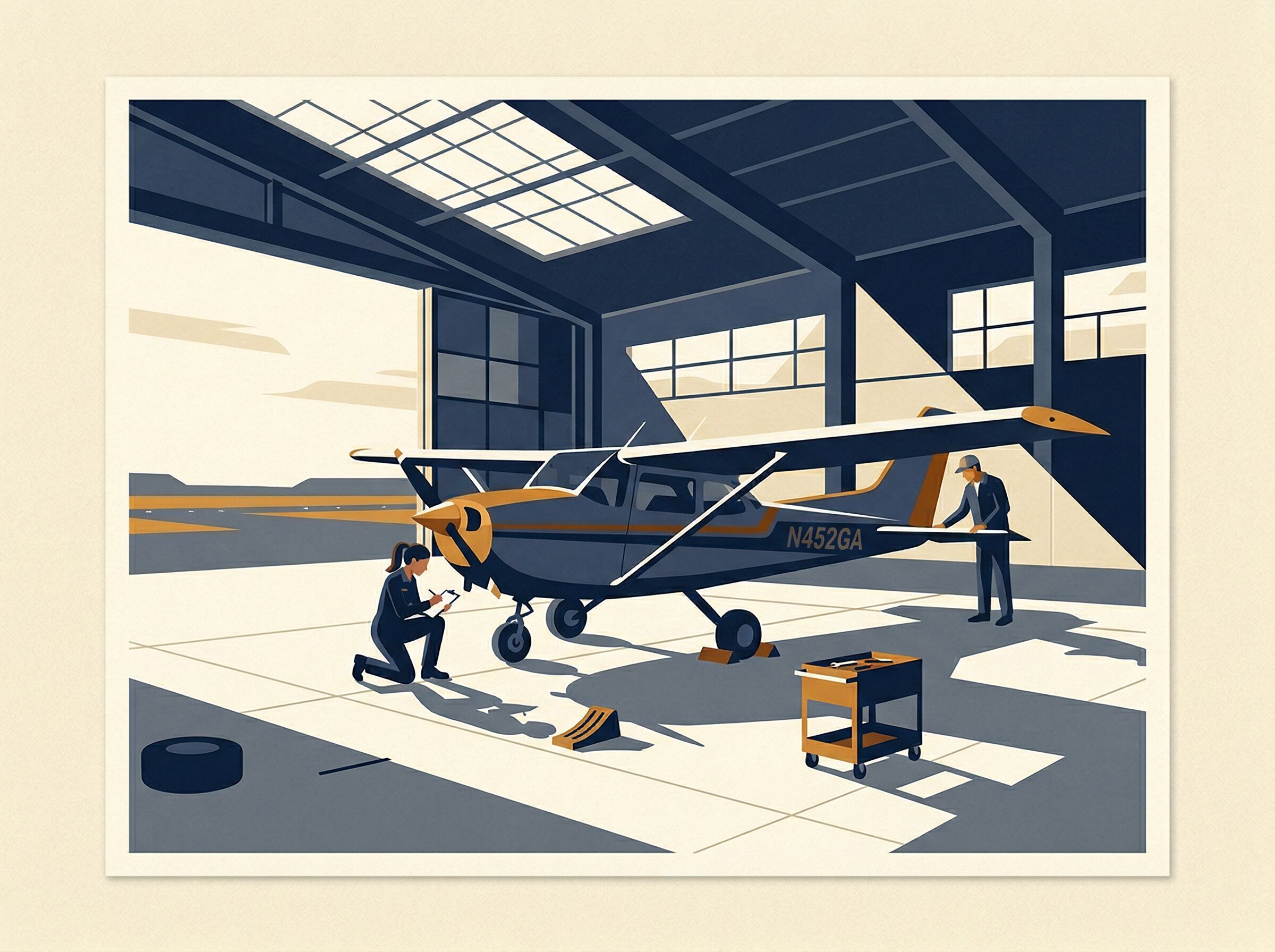
Annual inspection. Required every 12 months by an A&P/IA. Budget $1,000 to $3,000 minimum, and understand that "minimum" assumes nothing unexpected. If they open it up and find a cracked exhaust manifold or a magneto that needs overhaul, add more. A thorough annual on an older aircraft in the $2,500 to $4,000 range is more realistic.
Engine reserve. This is the one that shocks people. Your O-320 (the 150hp engine in most 172s) has a TBO (time between overhaul) of 2,000 hours. An overhaul runs $25,000 to $35,000. That works out to roughly $12.50 to $17.50 per hour just in engine reserve. I budget $15 to $20 per hour and put it in a separate account. If you ignore this line item, you're fooling yourself about your true operating costs.
Insurance. As a student pilot or newly minted private pilot, expect to pay more. A lot more. For a C172 with student pilot coverage (meaning your policy allows you to fly before you have your PPL), you're looking at $2,500 to $5,000 per year. Once you have your PPL and build some hours, that number drops significantly. Some owners pay as little as $1,200 per year with experience, but you won't start there.
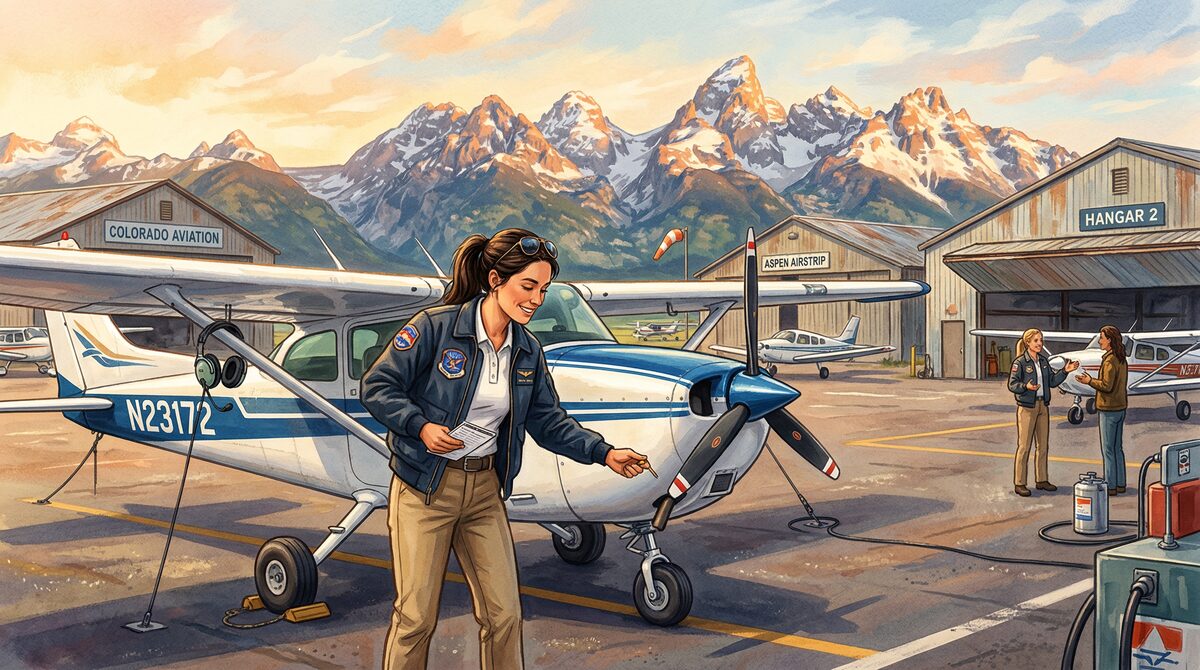
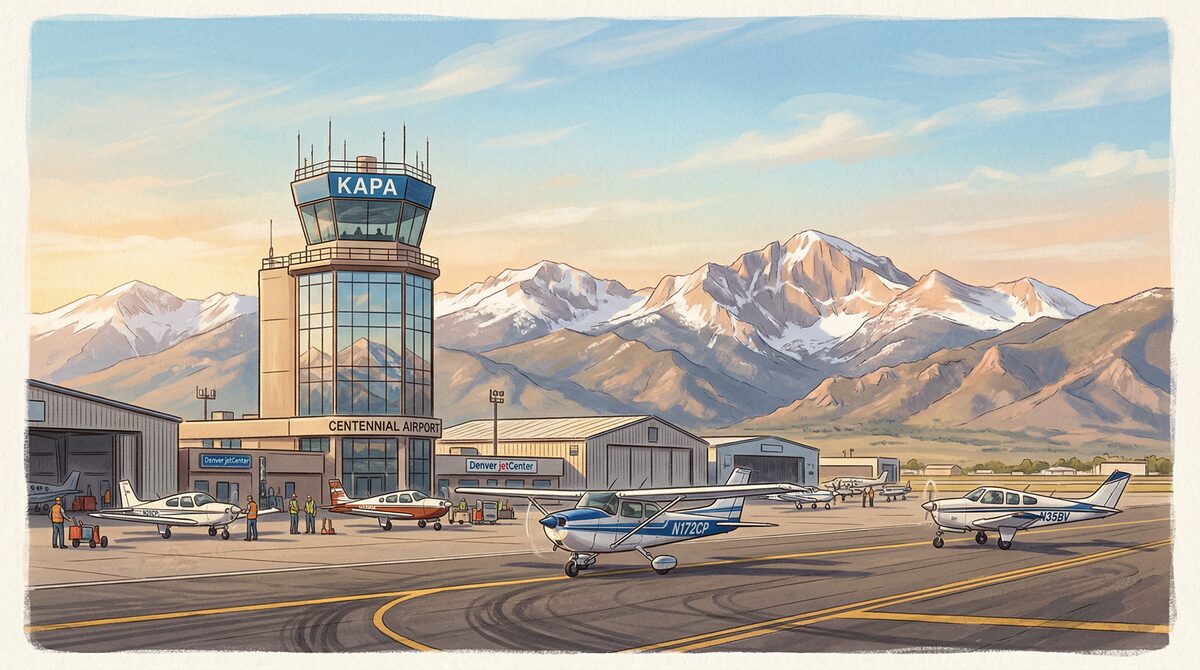
Hangar. At Colorado Front Range airports — KAPA, KBJC, KFTG, KLMO — a T-hangar runs $300 to $600 per month depending on size and airport. Tie-down is cheaper ($75 to $150/month) but your aircraft will age faster and you'll spend more time in the cold and wind. For your first plane, a hangar is worth the premium.
Fuel. 100LL avgas is currently running $6 to $8 per gallon at Colorado airports. A C172 burns 8 to 9 gallons per hour. That's $48 to $72 per hour just in fuel. If you're at an airport that has UL94 unleaded available, the price is often similar but the environmental and maintenance benefits are real for compatible engines.
Surprise fund. Budget 1% to 2% of the aircraft's value per year for unplanned maintenance. On a $120,000 airplane, that's $1,200 to $2,400 per year set aside for the unexpected. Tires wear out. An alternator fails. A brake caliper seizes. It happens.
Add it up: for a mid-range C172 flying 100 hours per year, your all-in annual cost of ownership is realistically $30,000 to $45,000. That's $300 to $450 per hour. Compare that to your rental rate and you'll see it's not always the slam-dunk the purchase price suggests — especially in the first year when insurance is highest and you're flying the fewest hours.
Aircraft Options Compared
Not all trainers are created equal, and the right choice depends on your goals and budget.
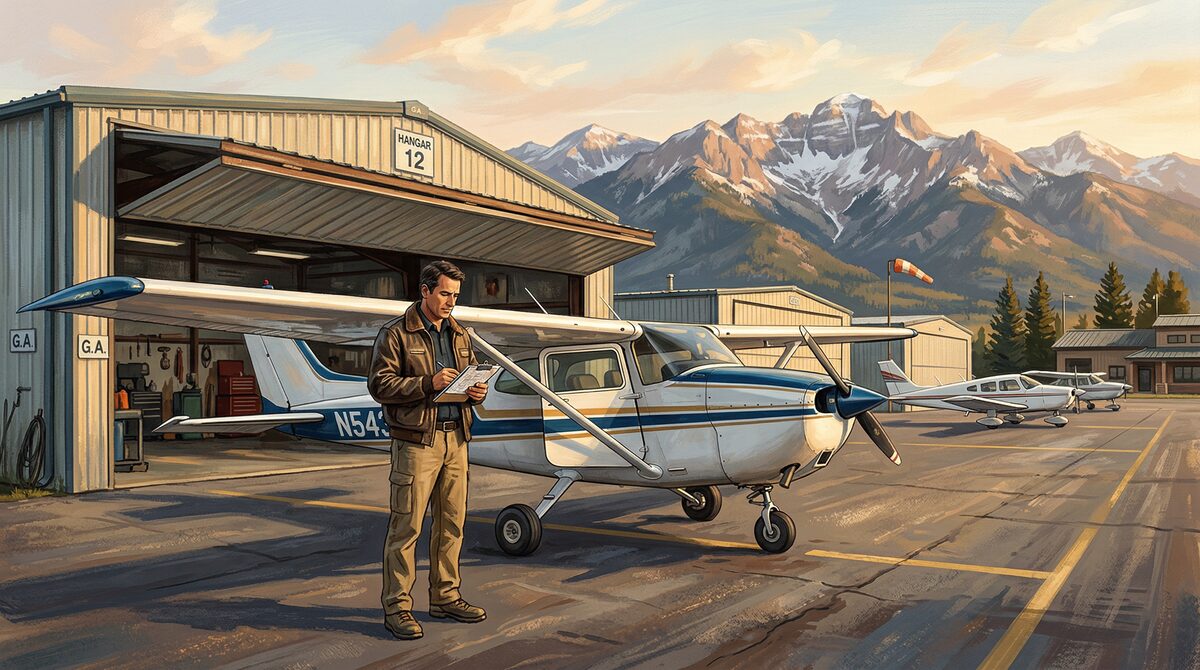
Cessna 172 (Skyhawk). The gold standard trainer. Four seats, forgiving flight characteristics, parts available everywhere, and the easiest aircraft to insure as a student. It's slow — about 110 knots cruise — but that doesn't matter when you're learning. The 172 fleet is enormous, which means mechanics know them cold. If I were advising a student pilot buying their first aircraft, this would be my default recommendation.
Cessna 182 (Skylane). More capable aircraft — 145 knots cruise, excellent useful load, great for cross-countries. More expensive to buy, insure, and operate. The 230hp O-470 engine costs more to overhaul than the O-320. I'd say the 182 makes more sense once you have your PPL and you're building instrument or commercial hours. As a primary trainer, you're paying for capability you're not using yet.
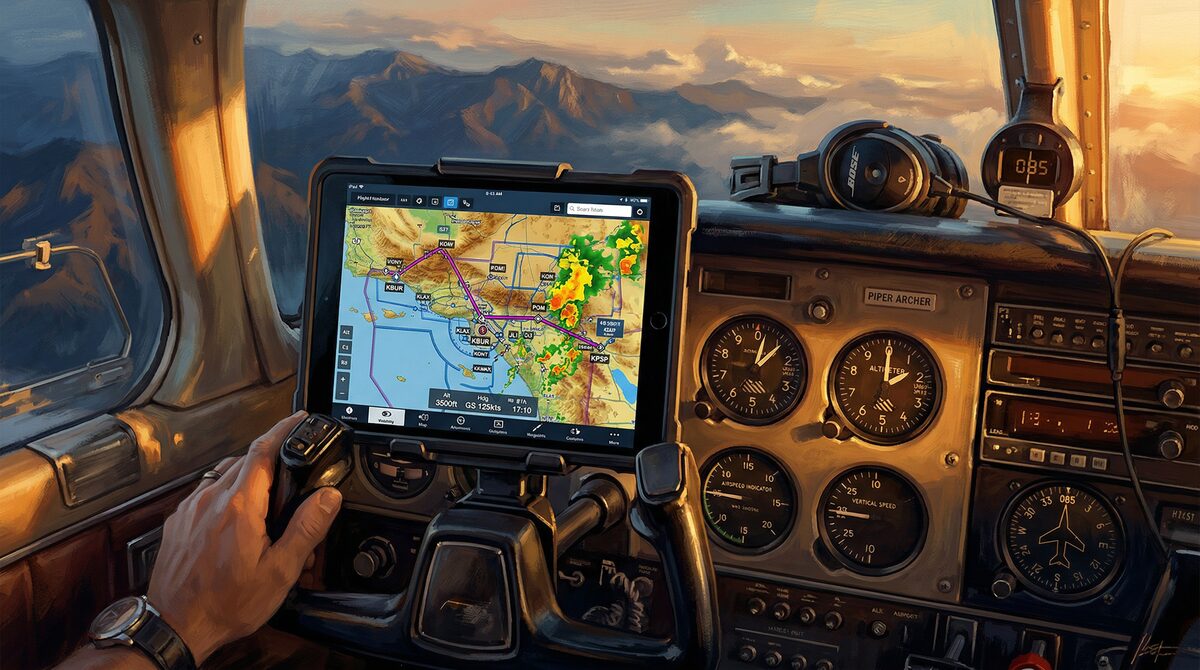
Piper Archer (PA-28-181). A legitimate 172 alternative. Low wing gives you a different sight picture (which can actually help students preparing for a broader type range later). Cruises at about 125 knots, strong parts support, and many flight schools use them — so training records and logbooks are plentiful. Slightly more complex systems than the 172 but nothing unreasonable.
Piper Cherokee (PA-28-140/160). The budget option. Older, slower, less useful load than the Archer, but significantly cheaper to buy and operate. If your goal is pure hour building on a tight budget, a good Cherokee gets the job done. Just do a thorough pre-purchase inspection — these airframes are old and condition varies wildly.
What to avoid as a first aircraft. Complex aircraft — retractable gear, constant-speed prop, or both — before you have your PPL is unnecessary cost and unnecessary risk. The additional training requirements, higher insurance premiums, and greater mechanical complexity add up without adding much training value at the student pilot stage. Keep it simple. Master a fixed-gear, fixed-pitch aircraft first.
Ownership Structures
This is the section most buyers skip and end up regretting. How you hold the aircraft legally matters almost as much as what you buy.
Personal ownership. Simplest on paper. You buy it in your name. But full liability exposure means that if something goes wrong and you're sued, your personal assets — savings, home equity, everything — are potentially on the table. For a six-figure asset that operates in a high-liability environment, this is not a structure I'd recommend.
LLC ownership. This is the standard move among serious GA owners. You create a single-member LLC (or multi-member if you're partnering), the LLC purchases and holds the aircraft, and you operate it. Liability is contained to the LLC's assets. The N-number stays the same — it's just the registered owner that changes on the FAA database. Filing an LLC in most states costs $50 to $100 per year. If you're using the aircraft for any business purpose, talk to a CPA about legitimate deductions. An aviation attorney can help you set this up properly; it's money well spent.
Partnerships. Splitting costs two to four ways dramatically lowers the monthly commitment. A C172 partnership with three pilots can bring your share of fixed costs to $500 to $600 per month — significantly more manageable than carrying the full load. I've seen great partnerships and I've seen partnerships that ended friendships. The difference is almost always whether they had a written agreement before any money changed hands. A solid partnership agreement covers scheduling (a reservation system and maximum consecutive hold limits), maintenance decision authority, what happens when a partner wants to exit, how disputes are resolved, and insurance requirements. Get it in writing. Hire an attorney to draft it. It costs a few hundred dollars and can save tens of thousands.
Leaseback. You buy the aircraft, lease it back to a flight school, and the school rents it to students. In theory, the school covers some operating costs and you get rental revenue that offsets ownership. In practice, the math rarely works out the way it looks on paper. Your aircraft takes more wear (student pilots are harder on aircraft than experienced pilots), you have significantly less scheduling control, and the revenue is often less consistent than projected. Leaseback works best for owners who don't need the aircraft often and genuinely want to offset passive holding costs. Go in with detailed projections, get everything in writing, and understand that your aircraft will come back to you needing more maintenance than if you flew it yourself.
The Pre-Purchase Process
Never skip this. I don't care how good the airplane looks in photos.
A pre-purchase inspection (PPI) is performed by an A&P mechanic — one that you hire, not the seller's mechanic. The seller's mechanic has a relationship with the seller. Your mechanic works for you. Get a referral from a local flying club or ask at your airport's FBO. Budget $500 to $1,500 for a thorough inspection, more for complex aircraft. On a $120,000 purchase, this is the cheapest insurance you'll ever buy.
Pull the logbooks yourself and review them carefully. You want to see engine hours (total time and time since major overhaul), airframe total time, prop time, and a complete maintenance history. Look for recurring ADs (Airworthiness Directives) and verify compliance. Look for any history of major repairs — a properly repaired aircraft isn't automatically a bad buy, but you want to know about it and price accordingly.
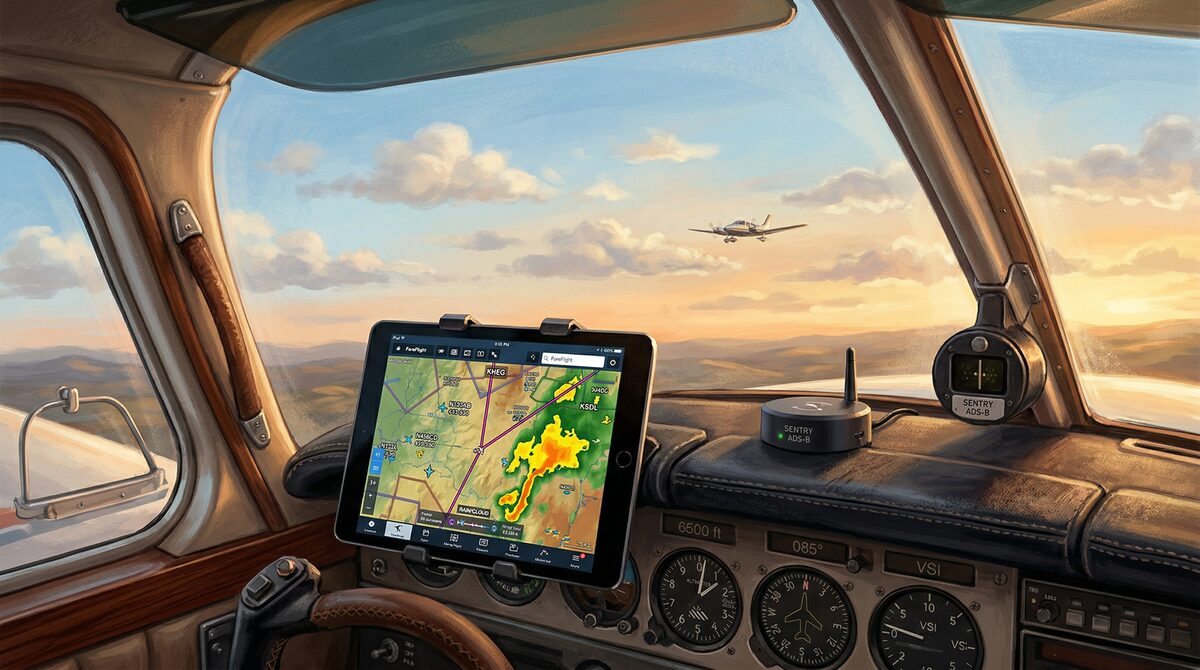
If you're buying a glass-panel aircraft with a Garmin G1000, Aspen, or similar, factor in the cost of an avionics inspection. These systems are expensive to repair and their condition isn't always visible on a basic pre-purchase inspection.
Walk away if the seller resists a PPI. Full stop. The right seller will welcome it.
The Honest Bottom Line
If you're under 200 hours total time, still working toward your PPL and instrument rating, and flying 50 to 75 hours per year, renting is probably still cheaper when you account for all the real costs of ownership. The flexibility benefit is real, but it doesn't always outweigh the fixed costs of a plane sitting in a hangar while you're studying for written exams.
If you're building commercial hours — pushing toward 250 total, working on your instrument rating, flying regularly — a partnership or sole ownership in an LLC starts to make genuine financial sense. The per-hour cost converges with or beats rental rates, and you gain scheduling freedom that accelerates the rest of your training.
The best-case scenario I've seen work out well: two or three like-minded pilots form an LLC, buy a 172 or Archer together, write a solid partnership agreement, and split costs. Everyone builds hours faster, the per-person cost is manageable, and when someone earns their commercial and moves on, the LLC sells its share back or recruits a replacement partner. It's not without complications, but done right, it's a genuinely good deal for everyone involved.
The worst-case I've seen: someone buys solo on emotion, discovers the real costs in the first year, doesn't fly enough to justify ownership, and tries to sell into a soft market. They lose money and get frustrated with aviation in the process.
Do the math with your actual numbers. Be honest about how many hours per year you'll realistically fly. Get a lawyer and a CPA involved before you sign anything. And if the numbers work?
The airplane you own won't be perfect. The costs will be higher than you budgeted. And you'll love almost every minute of it.